5 Mistakes to Avoid During Roof Replacement in Succasunna, NJ
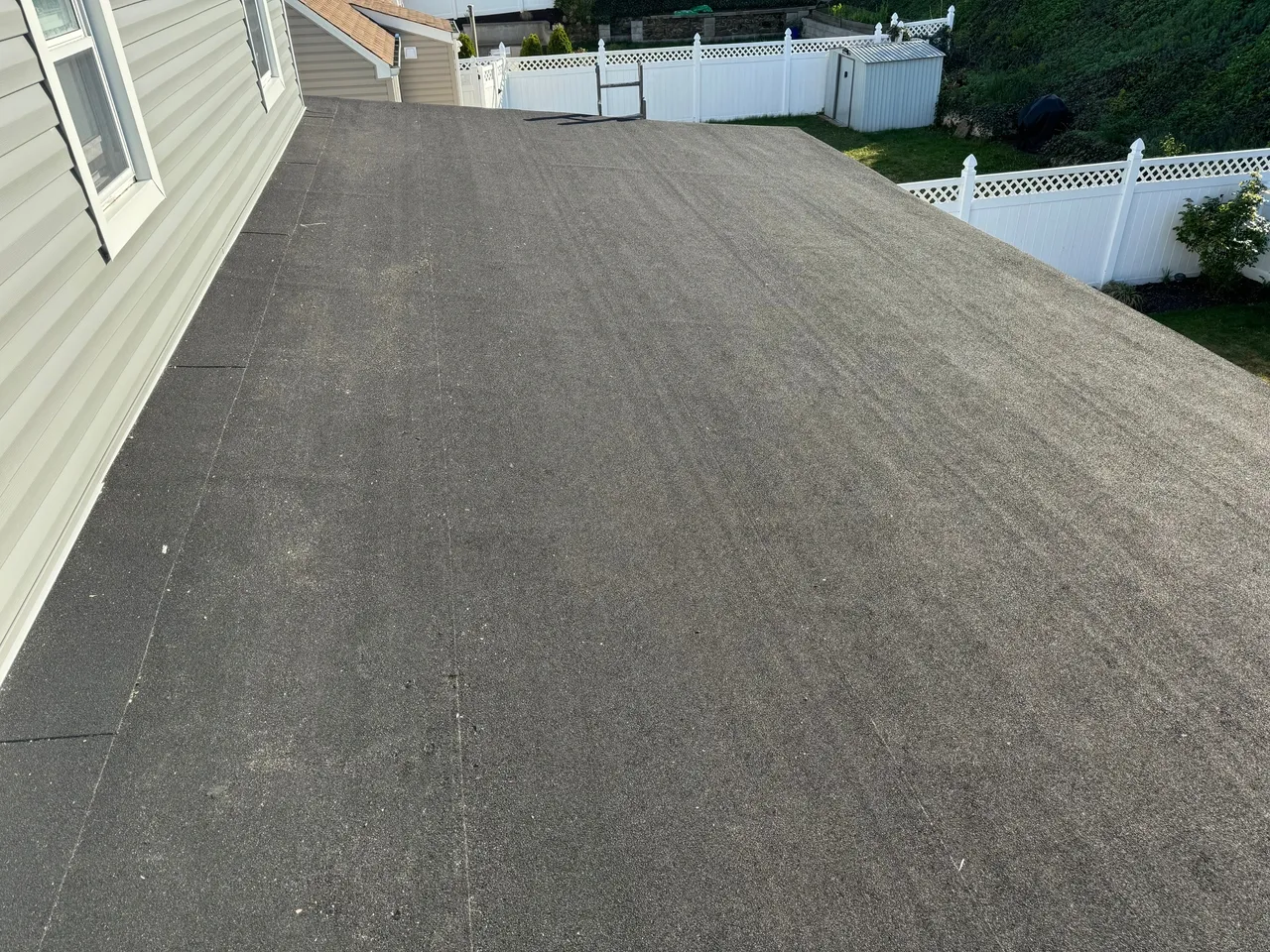
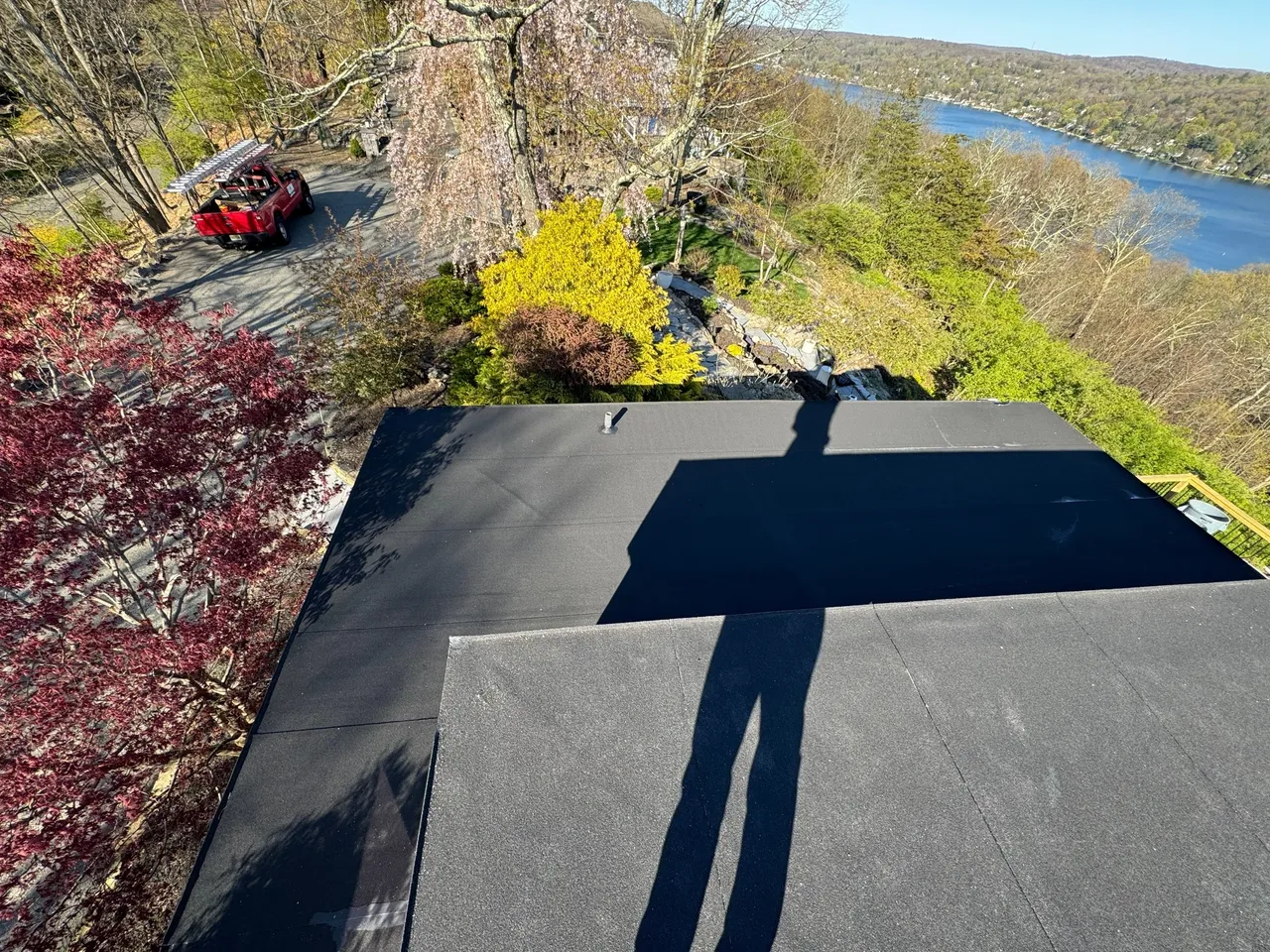
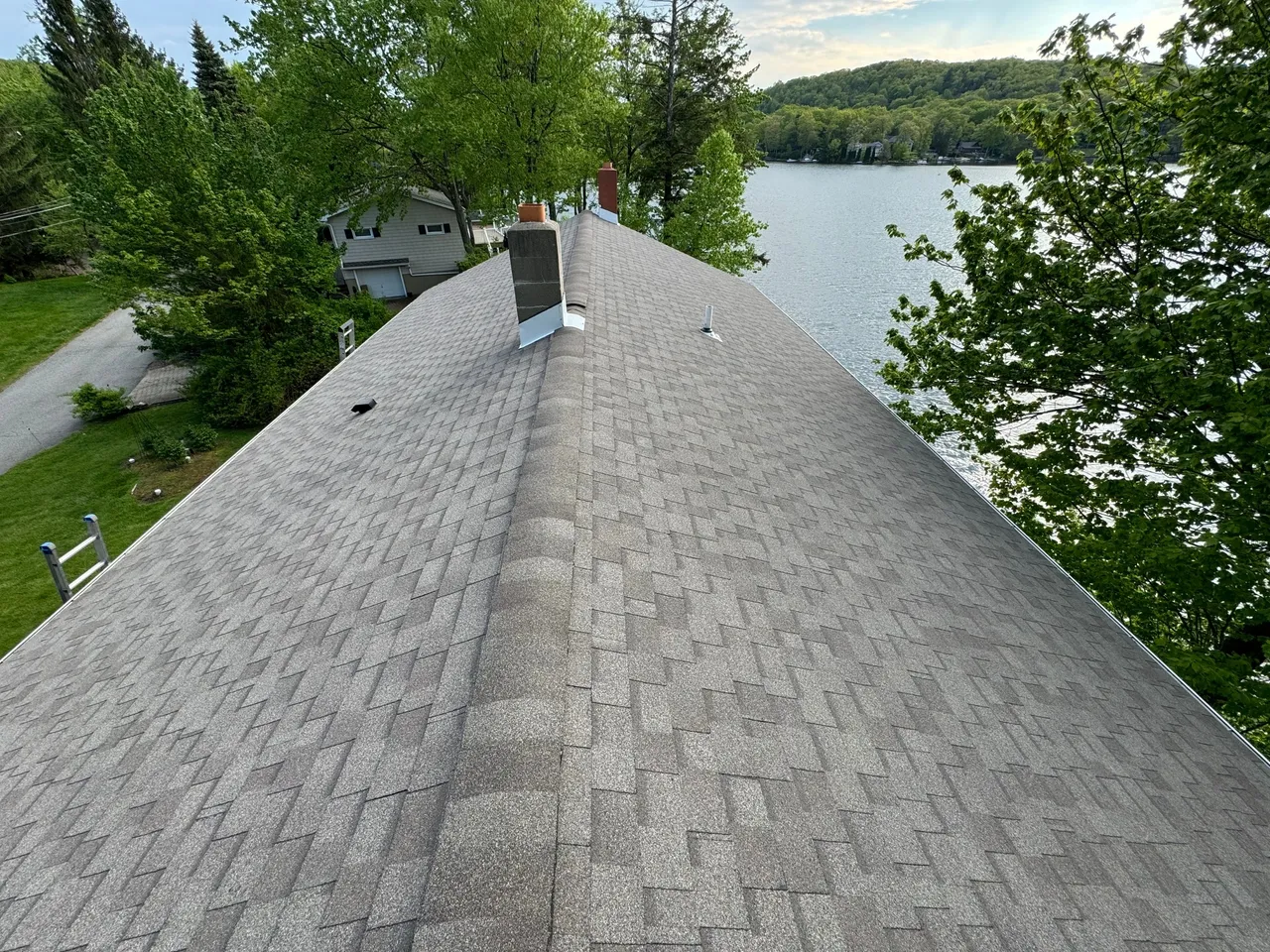
Replacing a roof is one of the bigger investments a homeowner in Succasunna will make, and it rarely happens at a convenient time. Most people do not start shopping for shingles because they woke up inspired. They do it because a leak appeared around a vent pipe after heavy rain, a patch failed, or a home inspection turned up aging materials and soft decking. By the time the decision is on the table, there is often some pressure, and pressure is exactly what leads to expensive mistakes.
Succasunna homes deal with a little of everything. Winter snow loads, spring rains, summer heat, and the freeze-thaw cycle all work against roofing materials over time. Add mature trees in many neighborhoods, older homes with layers of previous work, and the occasional rush after a storm, and you have the conditions for a project that can go right or go very wrong. A roof replacement done well protects the structure, controls energy loss, manages ventilation, and preserves resale value. Done poorly, it can create years of hidden problems beneath brand-new shingles.
When homeowners search for Roof Replacement Succasunna, NJ, they often focus on the visible product first. They compare colors, warranties, and price per square. Those things matter, but the most costly errors usually happen before the first bundle is loaded onto the roof. They start with assumptions, shortcuts, and rushed decisions. Here are the five mistakes that deserve the most attention.
Mistake #1: Choosing a contractor based on the lowest bid alone
The number at the bottom of the estimate has a way of dominating the conversation. That is understandable. Roof replacement is not a minor repair, and a difference of several thousand dollars between proposals gets attention fast. The problem is that roofing estimates can look similar on the surface while covering very different scopes of work.
A low bid often leaves out details that only become obvious once the old roof is torn off. One contractor may include full tear-off, disposal, ice and water protection at vulnerable areas, updated flashing, ridge ventilation, and replacement of damaged decking up to a reasonable allowance. Another may quote a basic shingle installation with minimal underlayment, no mention of flashing replacement, and vague language around wood repairs. On paper, both can be called a roof replacement. In practice, they are not the same job.
This is where homeowners get tripped up. They compare totals instead of comparing systems. Roofing is layered work. Shingles are just the outer skin. Underlayment, flashings, starter strips, ventilation components, sealants, pipe boots, drip edge, and the condition of the wood beneath all affect whether the roof performs the way it should. Roof Replacement Succasunna, NJ If one estimate is dramatically lower, there is usually a reason. Sometimes it is an honest difference in overhead. More often, something important has been omitted, downgraded, or pushed into a future change order.
I have seen this play Roof Replacement Succasunna, NJ out in older New Jersey homes where contractors bid aggressively to win the job, then "discover" that the chimney flashing is shot, two valleys need special treatment, and several sheets of plywood are too rotted to hold nails. Those are not rare surprises. They are ordinary possibilities on an aging roof. A professional estimate should anticipate them and explain how they will be handled.
The better approach is to ask each contractor to spell out what is included. What brand and line of shingles are being installed? What underlayment is used in the field and at eaves? Will existing flashing be reused or replaced? How is attic ventilation being addressed? Who handles permits and cleanup? Is the crew employed directly or subcontracted? A contractor who answers clearly is easier to trust than one who dismisses those questions as unnecessary.
Price matters. It should matter. But the right way to look at cost is value over the life of the roof, not simply the cheapest route to getting the project off your list this month.
Mistake #2: Ignoring ventilation and focusing only on shingles
Many roof replacements fail early, or at least underperform, because the attic system was never corrected. Homeowners understandably pay attention to what they can see from the street. They pick a shingle color that complements siding and trim. They may upgrade from a three-tab product to architectural shingles. Those choices affect appearance and durability, but a roof is not just a weather cover. It is part of a larger system that depends on airflow.
In Succasunna, attic ventilation matters because the seasons swing hard enough to expose weak design. During summer, excess heat in an under-ventilated attic can shorten shingle life and drive cooling costs higher. During winter, warm, moist air trapped below the roof deck can contribute to condensation, mold growth, and ice dam formation. Roofers sometimes treat ventilation as an add-on. It should be part of the core conversation.
A common example is the house with gable vents but no balanced intake at the soffits. Another is the home where a powered attic fan was installed years ago, but the rest of the ventilation was never configured to support it. Then there are homes with bathroom fans venting improperly into the attic, which introduces moisture exactly where you do not want it. A new roof placed over those conditions may look beautiful and still struggle.
Good contractors look beyond the shingles. They inspect intake and exhaust, estimate whether the existing setup is roughly balanced, and note obstructions such as insulation packed into soffits. They also pay attention to attic temperature and signs of moisture staining on decking. If the roof is being replaced, that is the best time to correct what has been wrong for years.
Homeowners sometimes resist this part because ventilation upgrades do not feel exciting. No one points proudly at a ridge vent from the driveway. Yet ventilation can be the difference between a roof that ages normally and one that curls, blisters, or develops hidden moisture issues long before it should.
Mistake #3: Skipping a thorough decking and flashing assessment
A roof replacement should not be treated like a cosmetic overlay for structural uncertainty. The roof deck and the flashing details around penetrations and transitions are where many long-term failures begin. If a contractor does not spend enough time discussing these areas, that is a red flag.
Decking issues are especially common in older homes or roofs that have leaked more than once. Water rarely damages wood in a neat square directly under a visible ceiling stain. It follows nails, seams, valleys, chimneys, plumbing vents, and skylight curbs. By the time the old shingles come off, there may be soft plywood around a pipe boot, delamination near a valley, or rot along the eaves where ice dams have backed water under the shingles over multiple winters.
Flashing deserves equal attention. It is the thin material, often metal, that directs water away from joints and vulnerable transitions. Roof-to-wall connections, chimneys, dormers, valleys, skylights, and plumbing penetrations all rely on proper flashing details. Reusing old flashing to save money is one of those decisions that can haunt a homeowner later. Flashing can look acceptable from the ground and still be bent, corroded, loosely fastened, or sealed with tired caulk that is near the end of its life.
The mistake here is not that homeowners fail to inspect these elements themselves. Most people are not expected to diagnose flashing conditions from a ladder. The mistake is accepting a proposal that treats these components as afterthoughts. A sound roof replacement in Succasunna, NJ should address the likely condition of the deck, the process for replacing compromised wood, and the flashing approach in enough detail that there are no surprises about standards or cost.
One practical question worth asking is how wood replacement is charged. Some contractors include a set number of sheets in the estimate, while others bill all decking repairs separately after tear-off. Either method can be reasonable if it is transparent. Trouble starts when the estimate is vague and the change orders show up late in the process, when the homeowner has little choice but to approve them.
Another useful question concerns chimney work. Masonry chimneys in this part of New Jersey often have age-related deterioration at the crown, mortar joints, or counterflashing. A brand-new roof tied into a failing chimney detail is not a complete solution. It may remain a leak risk until the masonry issue is corrected. Good contractors will say that plainly, even if it complicates the sale.
Mistake #4: Timing the project poorly and underestimating local weather realities
Roofing is weather-sensitive work, and the calendar matters more than many homeowners realize. Succasunna is not a market where crews can assume long, predictable stretches of ideal conditions. Rain can interrupt tear-off schedules. Cold snaps can affect how materials seal. Summer heat can slow work and stress crews. Fall is popular because homeowners want the roof done before winter, which can lead to scheduling bottlenecks.
The mistake is waiting until the roof has become an emergency, then expecting ideal pricing, immediate availability, and perfect weather. When a leak turns active in the middle of a wet period, the homeowner loses leverage. They may accept the first opening they can get. They may rush paperwork. They may skip the deeper questions they would have asked a month earlier. Urgency changes decision quality.
Planning ahead makes a real difference. If the roof is aging but not yet failing, spring through early fall usually offers more flexibility. That does not mean winter replacement is impossible. Skilled crews can replace roofs in cold weather when conditions cooperate. It simply means there are more variables to manage, and the homeowner should understand them. Sealant behavior, material handling, daylight hours, and weather windows all become more important.
There is also the issue of storm-chasing behavior after severe weather. In some cases, out-of-area companies appear quickly, offer fast inspections, and pressure homeowners into signing broad agreements before local contractors have even assessed the neighborhood. This does not automatically mean the work will be poor, but it raises the risk. Roofing is local in practical ways. Knowledge of municipal processes, disposal logistics, weather patterns, and common housing stock matters. So does accountability after the crew leaves town.
A measured schedule also allows time to coordinate related work. Gutters may need replacement. Fascia repairs may be necessary. Skylights near the end of their service life are often best replaced during reroofing rather than left for later. Handling these decisions in advance reduces disruption and avoids paying twice for access and labor.
Mistake #5: Overlooking permits, warranties, and the paper trail
Paperwork is rarely the part homeowners want to discuss, but it often determines how protected they are if something goes wrong. A roof replacement is not just a labor job and a pile of materials. It is also a documented transaction involving scope, payment terms, municipal requirements, and warranty coverage. Sloppy paperwork is not a minor annoyance. It can be a sign of deeper operational problems.
Permits should be clarified before work begins. Homeowners should know who is responsible for obtaining them and whether inspections are required. In many cases, a reputable roofing contractor handles this routinely. If a contractor suggests skipping permit requirements to move faster or save a little money, that is a poor sign. It may create problems during a future sale, insurance claim, or municipal review.
Warranties are another area where language matters. Homeowners often hear a headline number, such as a "lifetime" shingle warranty, and assume they are comprehensively covered. In reality, product warranties and workmanship warranties are different things. The manufacturer typically covers defects in the roofing product under specific conditions. The installer covers installation-related problems for a separate term, assuming they offer one and remain in business to honor it.
The fine print matters because many roof issues are installation issues, not factory defects. Misapplied flashing, poor nailing patterns, inadequate ventilation, or shortcuts at transitions are not solved by a strong product warranty. That is why contractor quality matters more than the marketing brochure.
It helps to keep a simple project file with the signed contract, proof of insurance, permit documentation, manufacturer information, final invoice, and photos of the work in progress. That may sound excessive for a residential project, but it pays off. When a buyer asks about the age of the roof five years from now, or an insurance company wants proof of replacement details, those documents matter. They also help if a leak develops and there is a dispute about whether the issue is related to original workmanship or another source.
What careful homeowners in Succasunna tend to do differently
The smoothest roof replacements usually come from homeowners who treat the project as a system upgrade rather than a one-line purchase. They ask enough questions to understand the proposal, but they do not get lost in jargon. They allow room in the budget for the parts of roofing that are not visible from the curb. They make decisions before the first emergency bucket appears in the attic.
A sensible way to think about the selection process is to compare contractors on a few points that reveal how they actually operate:
- Clarity of scope, including tear-off, underlayment, flashing, ventilation, cleanup, and wood replacement terms.
- Willingness to inspect the attic or discuss ventilation instead of talking only about shingle color and price.
- Documentation, including insurance, permit handling, payment schedule, and written warranty details.
- Communication style, especially whether questions are answered directly and without pressure.
- Local track record, meaning familiarity with homes, weather, and code expectations in and around Succasunna.
None of those points are flashy, but they identify professionals who understand roofing beyond sales language.
A better roof replacement starts before the crew arrives
By the time materials are delivered, most of the important decisions have already been made. The quality of the outcome depends less on what happens in a single day of installation and more on the choices that led there. Contractor selection, attic ventilation, flashing details, decking repairs, scheduling, permits, and warranty terms all shape the result.
That is why homeowners looking into Roof Replacement Succasunna, NJ should slow the process down just enough to make strong decisions. Not endlessly, and not to the point of paralysis, but enough to compare real scope instead of headline price. A roof replacement is one of those projects where hidden details carry the value. The visible shingle line is only the final layer of a much larger job.
If your roof is nearing the end of its life, the smartest move is to start the conversation before it becomes urgent. Have the roof evaluated. Ask what is aging, what is leaking, what can wait, and what cannot. Request estimates that explain the whole assembly, not just the top surface. A contractor who welcomes that level of discussion is usually the one thinking clearly about the work.
Homes in Succasunna face enough weather without asking a new roof to compensate for old mistakes. Avoid those five common errors, and the project has a far better chance of delivering what homeowners actually want: a dry house, a durable system, and one less thing to worry about when the next hard rain moves in.
Royalty Exteriors
151 NJ-10 Suite 103A, Succasunna, NJ 07876, United States
+1 973-333-7234
FAQ About Roof Replacement Succasunna, NJ
What are signs a roof needs replacing?
Widespread shingle deterioration, repeated leaks, or damaged decking can point to a larger problem. A roofer can inspect the roof covering, flashing, and deck to determine whether the damage is localized or whether replacement makes more sense.
How long does it take to reroof a 2000 square foot house?
Royalty Exteriors estimates one to three days for many single-family roof replacements. A house’s floor area does not tell you the actual roof area. Pitch, roof features, weather, and any decking repairs can change the schedule.
How long should a roof last in NJ?
There is no single lifespan for every roof. Material, installation quality, attic ventilation, maintenance, and exposure to storms all affect how long a roof remains serviceable. An inspection can help you assess its condition and plan for replacement.
Corrections
Spot something wrong? Send it to the desk and it gets fixed in the open.