Roof Replacement Succasunna, NJ: Financing Options for Your Next Project
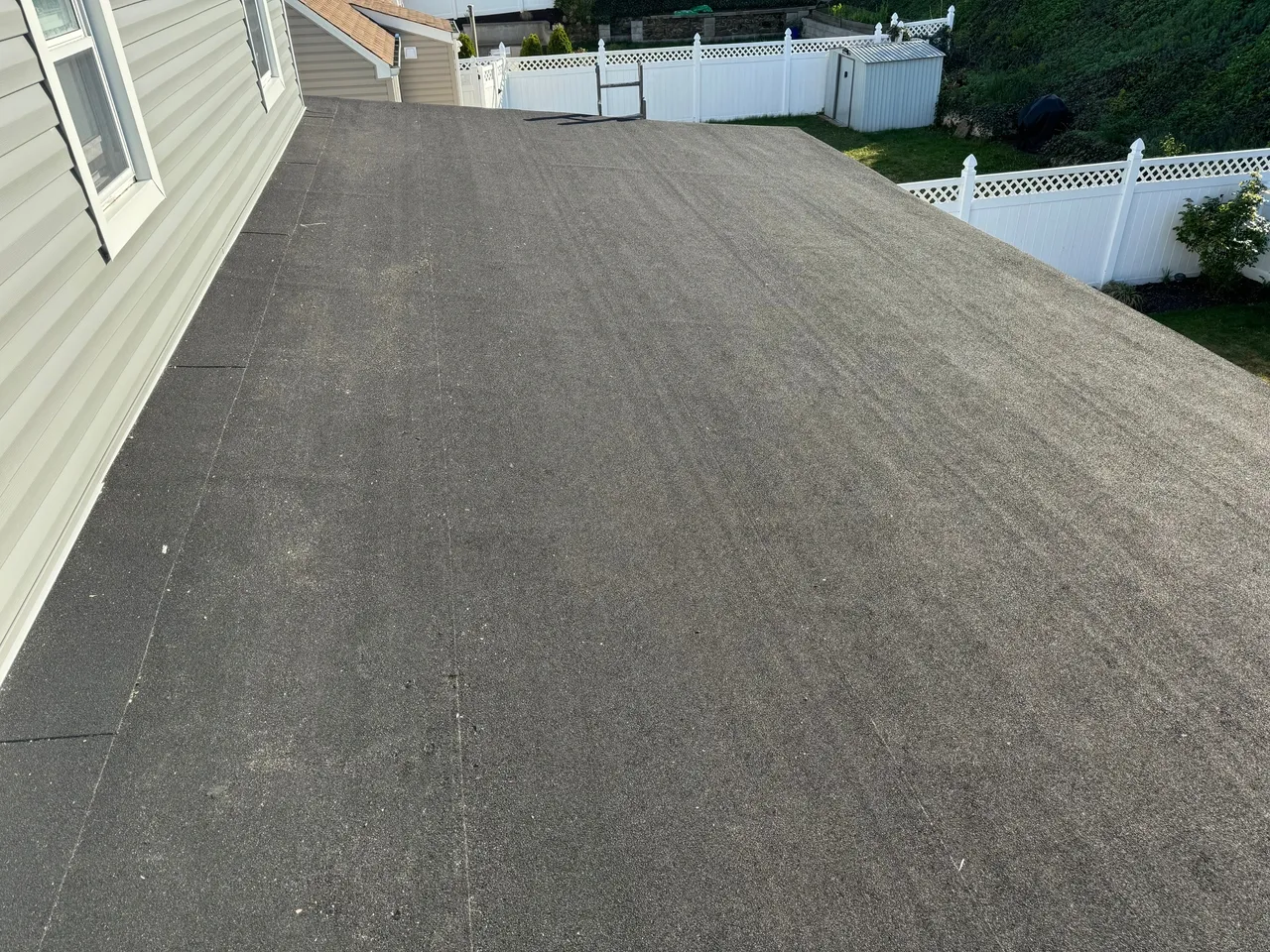
A roof replacement is one of those home projects that almost never arrives at a convenient moment. Most homeowners in Succasunna start by thinking about shingles, leaks, and contractor schedules. Then the real question lands: how do you pay for it without straining everything else in your budget?
That question deserves a practical answer, because roof work sits in an awkward financial category. It is not as optional as a kitchen refresh, and it is not always as predictable as a furnace replacement. A roof can hold up for years and then, after repeated freeze-thaw cycles, heavy rain, or a stretch of neglected maintenance, become urgent very quickly. In northern New Jersey, where roofs deal with snow loads, ice, wind, and summer heat, homeowners often face replacement sooner than they expected.
If you are planning a Roof Replacement Succasunna, NJ project, financing matters just as much as product selection. The lowest monthly payment is not always the best deal. The fastest approval is not always the safest move. The ideal path depends on your timeline, your equity, your insurance situation, your credit profile, and whether the roof problem is cosmetic, progressive, or truly time-sensitive.
Why roof financing needs a different kind of decision
People often compare roof financing to financing a car or remodeling a bathroom. That comparison only goes so far. A vehicle depreciates on a predictable schedule. A bathroom remodel can usually wait. A failing roof has a habit of causing damage somewhere else.
A small leak around flashing can turn into wet insulation, stained drywall, mold concerns, and damaged framing. I have seen homeowners delay a roof because the estimate felt high, only to spend far more months later on interior repairs that could have been avoided. That is why financing a roof should be viewed through two lenses at once: total borrowing cost and cost of delay.
In practical terms, if your roof is actively failing, the cheapest long-term move may be financing the replacement sooner, even if borrowing is not ideal. If the roof still has some serviceable life left and your contractor confirms there is no immediate risk, you may have time to compare options and choose a lower-cost funding source.
That distinction matters in Succasunna, where seasonal weather can narrow your window. A roof that is barely holding on in late spring might not make it through another winter comfortably. Financing decisions become much easier when you make them before the emergency starts.
What a roof replacement might include beyond shingles
Homeowners are often surprised by how many line items sit inside a proper roof proposal. Financing the project begins with understanding what you are actually paying for. A replacement is rarely just the top layer of shingles.
A complete estimate may include tear-off and disposal, underlayment, ice and water protection in vulnerable areas, flashing replacement, ventilation adjustments, plywood deck repairs if needed, ridge components, pipe boot replacements, permit-related costs, and cleanup. If the roof has multiple valleys, steep sections, skylights, chimneys, or damaged sheathing, the price can move quickly.
That is one reason two estimates can differ by several thousand dollars without one necessarily being dishonest. One contractor may be carrying stronger allowances for decking repairs or using a more complete ventilation plan. Another may give a lean number that grows later through change orders. Financing based on an incomplete estimate is risky because it leaves you underfunded when the crew opens the roof and finds hidden damage.
For a Roof Replacement Succasunna, NJ homeowner, this means the financing conversation should happen after you have a detailed scope, not before. Borrowing too little creates its own kind of stress.
The most common ways homeowners pay for a new roof
There is no single best financing tool for every household. Each route has a different balance of speed, flexibility, closing costs, interest rate, and risk.
Contractor financing
Many roofing companies work with third-party lenders and can offer financing at the point of sale. This is popular because it is simple. You review the proposal, fill out an application, and often receive a decision quickly. For urgent projects, that speed matters.
The convenience is real, but it should not end the conversation. Contractor-arranged financing can be a strong option when the promotional terms are fair and the project needs to start soon. It can also be expensive if the Roof Replacement Succasunna, NJ plan includes high deferred interest, steep dealer fees built into the price, or a long-term loan with a rate that feels manageable monthly but costs far more over time.
Read the disclosures closely. A no-interest promotion can be useful if you truly have the ability to pay the balance within the promotional window. If you miss that deadline, some plans charge interest retroactively from day one. That surprises people, and not in a good way.
I have seen homeowners focus on a payment that fits neatly into the monthly budget, only to ignore the total they will pay over ten or twelve years. A roof should last decades. The financing should not quietly become the most expensive part of the project.
Home equity loan
A home equity loan gives you a lump sum, usually at a fixed rate, secured by your house. For planned roof replacements, it is often one of the cleaner financing tools because the rate is usually lower than unsecured borrowing and the fixed payment makes budgeting easier.
This option tends to work best for homeowners with solid equity, enough lead time for the application process, and a replacement scope that is already well defined. If the roof estimate is $15,000 to $30,000 or more, a home equity loan can produce a more reasonable total borrowing cost than many fast-approval products.
The downside is that it may involve fees, paperwork, and a slower timeline. It also puts your home up as collateral, which should never be treated casually. If your roof problem is urgent, waiting on this process may not be practical.
Home equity line of credit
A HELOC works differently. Instead of taking one fixed lump sum, you get access to a line of credit and can draw what you need. That flexibility helps when a contractor provides an estimate but warns that decking repairs or ventilation changes may add cost once the old roof comes off.
For homeowners who like having a reserve, a HELOC can be useful. You might draw for the roof and leave the rest untouched. If the project reveals hidden wood rot around eaves or chimney flashing, you have room to absorb it without scrambling.
Still, the flexibility comes with moving parts. Rates are often variable, which means a payment that looks comfortable now may climb later. For households already watching tight monthly margins, that uncertainty can be uncomfortable.
Personal loan
A personal loan is usually faster than a home equity product and does not require collateral. For homeowners who need a new roof quickly but either lack enough equity or prefer not to borrow against the home, this is often the most practical middle ground.
Rates vary widely based on credit. Strong borrowers may find the terms acceptable, especially if they plan to repay within a shorter window. Borrowers with average credit sometimes discover that the payment is manageable only because the term is stretched or the rate is high.
A personal loan can be a smart bridge between urgency and simplicity, but it rewards comparison shopping. Even a modest rate difference can materially change the total cost on a five- or seven-year loan.
Cash savings
Paying from savings avoids interest altogether, which is hard to beat mathematically. But the math is not the whole story. Draining your emergency fund to zero for a roof can create another problem. Homes do not stop needing money after the roof is done.
If cash payment leaves you unable to handle an unexpected car repair, medical expense, or HVAC issue, the decision may not be as strong as it first appears. Some homeowners do better with a hybrid approach: a meaningful down payment from savings, paired with manageable financing for the remaining balance. That protects liquidity without turning the whole project into long-term debt.
How to judge financing offers without getting distracted by the monthly payment
The monthly number is seductive because it feels immediate and easy to compare. But roofs are expensive enough that small differences in structure can hide large differences in total cost.
A better review looks at four things at once:
- The full project price before financing
- The interest rate and whether it is fixed or variable
- The total repayment over the life of the loan
- Any fees, penalties, or deferred-interest terms
That is the heart of the decision. A contractor may present two financing options where one feels obviously better because the payment is lower. Then you notice the lower payment extends the term substantially and adds thousands in interest. Another offer may include a promotional rate but a shorter payoff deadline than your budget can realistically support. The best option is the one you can actually complete without strain or surprises.
I generally tell homeowners to stress-test the payment before signing anything. Do not ask whether you can make the payment in a perfect month. Ask whether you can make it in a month with higher groceries, a co-pay, a school expense, and one inconvenient repair. Roof financing should solve a problem, not create a fresh one.
Insurance can affect financing more than people expect
When homeowners hear "roof replacement," they often hope insurance will cover a big portion of the cost. Sometimes it does. Sometimes it does not. The difference usually comes down to the cause of damage, the age and condition of the roof, policy language, and the adjuster's findings.
If the roof has storm-related damage from a covered event, insurance may offset a meaningful share of the replacement. If the roof is simply worn out due to age and normal deterioration, that is a different story. Routine aging is generally a maintenance issue, not an insurable event.
The financing angle is important. If there is a plausible claim, it may be worth understanding that process before finalizing how much you borrow. But do not assume a claim will carry the project. I have seen homeowners delay too long while waiting for an insurance outcome that never materialized. If your contractor documents active failure and the roof needs attention, you need a backup payment plan.
There is also a timing issue. Even when insurance contributes, funds may not arrive all at once. Some homeowners use short-term financing or cash flow to bridge deductibles and timing gaps, then pay down the balance after the claim is settled. That approach can work well if everyone is clear about the schedule and the numbers.
Local realities in Succasunna and the surrounding area
Succasunna homeowners are dealing with a housing stock that often includes roofs at very different stages of life. Some properties have already been updated after prior storms or as part of broader exterior renovations. Others still carry aging systems that are nearing the end of their useful service.
Northern New Jersey weather is not gentle on roofing materials. Winter snow and ice can exploit weak flashing and marginal ventilation. Spring rains expose underlayment failures. Summer heat bakes shingles and accelerates granular loss. Fall is busy because many homeowners want work completed before winter weather complicates scheduling.
Those seasonal swings influence financing in subtle ways. If you wait until the busiest period to seek estimates, the combination of contractor demand and personal urgency can make you rush the financing decision. Homeowners usually negotiate and compare more effectively when they start the process before the leak becomes obvious in the bedroom ceiling.
That does not mean replacing a roof early just for the sake of timing. It means evaluating it early enough that financing remains a choice rather than a reaction.
Warning signs that should move financing higher on your priority list
Some roofs can be monitored. Others should be addressed before another season passes. The trick is not to guess. A professional inspection is worth far more than optimistic assumptions from the ground.
These signs usually justify moving the budget discussion forward quickly:
- repeated leaks, especially in more than one area
- missing, curling, or brittle shingles across visible sections
- sagging roof lines or soft decking underfoot
- granule loss collecting in gutters in unusual amounts
- prior patch repairs that keep multiplying without solving the problem
One repair can be sensible. A cycle of recurring repairs often means the roof is asking for replacement in installments. Financing early can stop that drip of money into temporary fixes that never really reset the system.
When a repair makes more financial sense than replacement
Not every roof problem should trigger a full replacement loan. If the roof is relatively young, the issue is isolated, and the underlying system is still in good condition, repair may be the more disciplined decision.
For example, a flashing failure around a vent pipe or chimney can sometimes be corrected cleanly without replacing the whole roof. A few damaged shingles from a recent wind event may not justify full replacement Roof Replacement Succasunna, NJ royaltyexteriorsnj.com if the surrounding field remains sound. A good contractor should be willing to say that.
The harder cases are the roofs in the gray zone. Maybe the shingles are aging, there have been a couple of prior repairs, and the attic shows minor moisture issues, but the roof is not collapsing. In that situation, financing a replacement now may still be smarter than paying for serial repairs over the next two years. The right decision depends on how close the roof is to the end of its service life and how likely those repairs are to hold.
I have found that homeowners make better calls when they ask one direct question: "If this were your house and you planned to stay five years, what would you do?" An experienced roofer will usually give a more candid answer when the conversation shifts from sales mode to practical ownership.
Questions worth asking before you sign a financing agreement
Good financing decisions come from clear information, not pressure. Before you commit, slow the conversation down enough to get answers in plain language.
Ask the lender or contractor whether the rate is fixed for the full term. Ask whether there are fees folded into the loan amount. Ask whether paying the loan off early triggers any penalty. Ask what happens after a promotional period ends. Ask whether the contractor receives a fee from the lender and whether that has influenced the price. Not every contractor financing program is problematic, but transparency matters.
Also ask your roofer how they handle unforeseen decking replacement. Some estimates include a per-sheet price for damaged plywood discovered during tear-off. That line matters because it can affect how much financing cushion you need. If your house is older and the roof has leaked before, the odds of hidden wood replacement may be higher than average.
Balancing speed, cost, and peace of mind
The real challenge with roof financing is that the best answer is rarely perfect. The lowest-cost loan may move too slowly. The fastest loan may cost more than you like. Paying cash may preserve no debt but leave you financially exposed elsewhere.
That is why most smart decisions come down to balancing three things rather than chasing one. You want a funding source that lets you complete the job on the right timeline, at a total cost you understand, with a monthly obligation you can absorb comfortably. If one of those three falls apart, the deal is probably wrong.
A homeowner in Succasunna with strong equity and a roof that can wait six weeks might rationally choose a home equity loan. Another homeowner with an active leak over a finished room may decide that a personal loan or contractor financing is worth the higher rate because the damage risk of delay is greater. Both choices can be sound when they fit the facts.
A practical way to approach your next step
If you are staring at estimates and trying to make sense of the financing side, keep the process simple. Get a detailed scope from a reputable roofer. Compare at least a few funding paths if time allows. Evaluate the whole cost, not just the payment. Leave room for hidden conditions. Protect some cash reserves if possible. And make the decision based on the roof you actually have, not the one you wish would survive another five years.
A Roof Replacement Succasunna, NJ project is rarely anyone's favorite expense. Still, handled well, it is one of the most valuable forms of home protection you can buy. The financing should support that goal, not distract from it. A good roof keeps water out, stabilizes the structure beneath it, and buys you confidence every time the forecast turns rough. That confidence is worth paying for carefully, with clear eyes and a plan that fits your household.
Royalty Exteriors
151 NJ-10 Suite 103A, Succasunna, NJ 07876, United States
+1 973-333-7234
FAQ About Roof Replacement Succasunna, NJ
What are signs a roof needs replacing?
Widespread shingle deterioration, repeated leaks, or damaged decking can point to a larger problem. A roofer can inspect the roof covering, flashing, and deck to determine whether the damage is localized or whether replacement makes more sense.
How long does it take to reroof a 2000 square foot house?
Royalty Exteriors estimates one to three days for many single-family roof replacements. A house’s floor area does not tell you the actual roof area. Pitch, roof features, weather, and any decking repairs can change the schedule.
How long should a roof last in NJ?
There is no single lifespan for every roof. Material, installation quality, attic ventilation, maintenance, and exposure to storms all affect how long a roof remains serviceable. An inspection can help you assess its condition and plan for replacement.
Corrections
Spot something wrong? Send it to the desk and it gets fixed in the open.